
Diabetic Eye Care,Diabetic Eye Problems,Diabetic Retinopathy

Diabetes is a condition that affects the entire body, including the small, delicate blood vessels inside your eyes. Over time, elevated blood sugar levels can affect the retina, the light-sensitive tissue lining the back of the eye that allows you to see.
These changes do not always cause symptoms right away. This article explains how If you have diabetes affects retinal blood vessels, how diabetic retinopathy develops, and why regular monitoring is important.
What Happens to Retinal Blood Vessels When You Have Diabetes?
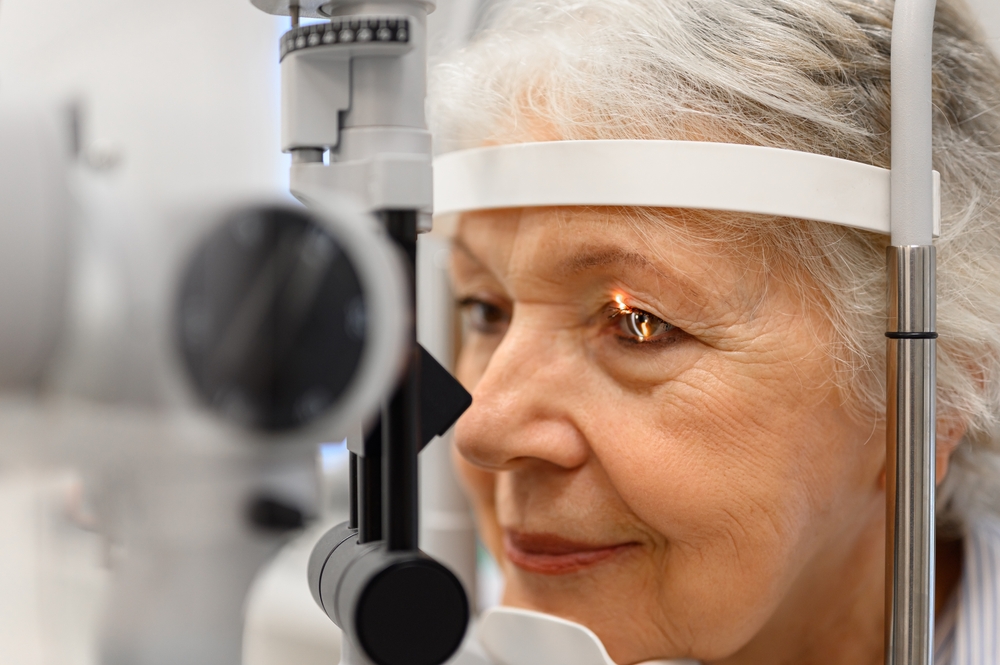
The retina depends on a network of tiny blood vessels called capillaries to deliver oxygen and nutrients. When blood sugar levels remain elevated over months or years, these capillaries become weakened and damaged.
The vessel walls may begin to swell, forming small bulges known as microaneurysms. As the damage continues, some vessels start to leak fluid or blood into the surrounding retinal tissue, while others may close off entirely, reducing blood flow to parts of the retina.
This process of blood vessel damage in the retina is called diabetic retinopathy. It can affect anyone with type 1 or type 2 diabetes, and the risk increases the longer a person has had diabetes. Because the changes happen gradually and often without early symptoms, many patients are unaware that damage is occurring until the condition becomes more advanced.
How Does Diabetic Retinopathy Progress?
Diabetic retinopathy develops in stages, and each stage reflects increasing damage to the retinal blood vessels.
- Mild nonproliferative retinopathy: Small microaneurysms form in the retinal capillaries. This is the earliest stage, and vision is usually unaffected.
- Moderate to severe nonproliferative retinopathy: More blood vessels become blocked or damaged. The retina begins to lose its blood supply in certain areas, and fluid leakage may increase.
- Proliferative diabetic retinopathy: In response to reduced blood flow, the eye begins growing new blood vessels in an attempt to restore oxygen delivery. These new vessels are abnormal and fragile. They grow along the surface of the retina or into the vitreous gel and may bleed, causing bleeding inside the eye.
At any stage, fluid can also leak into the macula, the central part of the retina responsible for sharp, detailed vision. This condition, called diabetic macular edema, is one of the most common reasons people with diabetes experience blurred central vision. While diabetic retinopathy cannot be reversed once it progresses, early detection and treatment can help slow or stop further damage.
What Symptoms May Develop?
Diabetic retinopathy often produces no noticeable symptoms in its earliest stages. Vision changes may not appear until the condition has progressed.

As the condition advances, symptoms may include blurred or fluctuating vision, an increase in floaters (Small dark spots or strings drifting across your field of vision), dark or empty areas in your central or peripheral vision, and difficulty seeing clearly at night.
Sudden increase in floaters or a noticeable shadow in your vision can be associated with retinal changes and should be evaluated urgently. If you are unable to see a retinal specialist promptly, contact your regular optometrist or ophthalmologist for guidance.
Because symptoms can be absent in the early stages, annual dilated eye exams are one of the most effective ways to catch diabetic retinopathy before it causes permanent harm.
How Can You Protect the Blood Vessels in Your Eyes?
Managing your diabetes is an important step in supporting retinal health. Keeping blood sugar levels within your target range may reduce stress on the capillaries and help limit the progression of retinal changes. Blood pressure and cholesterol management also play an important role, since high blood pressure and elevated cholesterol can worsen vessel damage throughout the body, including the eyes.
Routine dilated eye exams allow your retina specialist to monitor the health of your retinal blood vessels and detect changes early, even before you notice any symptoms. For patients whose diabetic retinopathy has progressed, several retinal treatments are available.
Anti-VEGF injections are used to treat swelling and abnormal blood vessel growth. Laser therapy is used to address leaking blood vessels. In more advanced cases, a surgical procedure called vitrectomy may be recommended to address complications inside the eye.
Your treatment plan will depend on the stage and severity of your condition, and our team works closely with each patient to determine the best approach.

Schedule a Diabetic Eye Exam in St. Louis, MO
At Retina Associates of St. Louis, our board-certified retina specialists have extensive experience caring for patients with diabetes-related eye conditions. We use advanced diagnostic tools to evaluate the health of your retina and develop individualized treatment plans based on your specific findings.
Whether you are managing early-stage changes or need treatment for more advanced diabetic retinopathy, our team takes time to review your findings and discuss appropriate next steps with you.
If you have concerns about diabetes related changes in your eyes. Schedule a diabetic eye exam at Retina Associates of St. Louis in St. Louis, MO, to review your retina health.