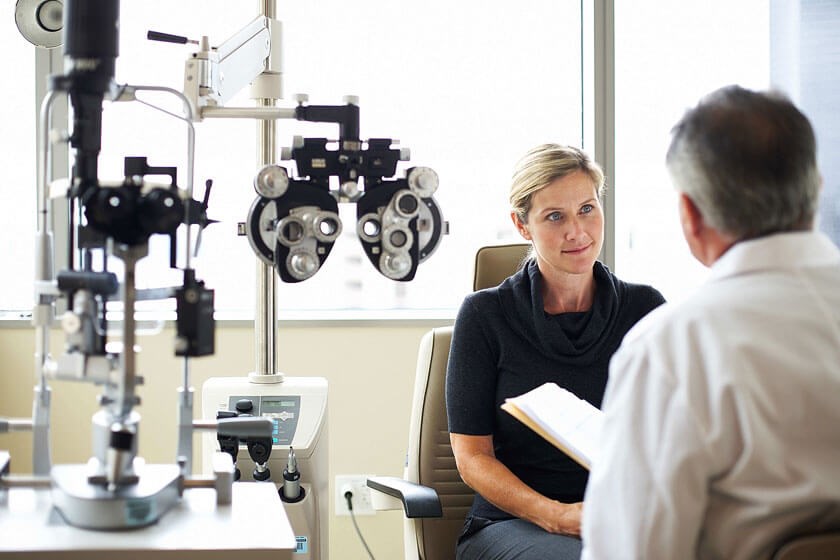
A dilated eye exam is one of the most valuable tools eye doctors use to evaluate the health of the retina, and it is a routine part of care.
While the idea of having your pupils dilated can feel unfamiliar, the process is straightforward, painless, and takes only a short time. Keep reading to learn how a dilated eye exam works, why it is so important for retinal health, and how to prepare for your visit.
What Is a Dilated Eye Exam?

A dilated eye exam is a type of comprehensive eye evaluation that allows your eye doctor to see the structures at the back of your eye in greater detail. During the exam, special eye drops are used to widen, or dilate, your pupils.
Normally, your pupils adjust in size to control how much light enters the eye. When they are dilated, the opening becomes much larger, giving your eye doctor a broader and clearer view of the retina, macula, optic nerve, and the blood vessels that supply them.
This level of visibility is not possible during a standard vision screening, which primarily tests how well you can see at various distances. A dilated exam goes further by evaluating the internal health of the eye itself, making it an essential tool for detecting retinal conditions that may not yet be causing noticeable symptoms.
What Happens During a Dilated Eye Exam?
A dilated eye exam follows a series of simple steps. Here is what you can expect during each stage of your appointment.
Check-In and Medical History Review
When you arrive, a member of the Retina Associates of St. Louis team will review your medical history, including any current medications, previous eye conditions, and underlying health issues such as diabetes or high blood pressure. You will also be asked about any recent changes in your vision, such as blurriness, dark spots, or new visual disturbances. This information helps your eye doctor tailor the exam to your specific needs and identify any risk factors that may warrant closer evaluation.
Applying the Dilating Drops

Your eye doctor will place one or two drops in each eye to begin the dilation process. You may feel a mild stinging sensation when the drops are first applied, but this fades within seconds.
The drops typically take 20 to 30 minutes to reach full effect, and you will be asked to wait comfortably during this time. Your vision may begin to feel slightly blurry, and you may notice increased sensitivity to light as your pupils widen.
The Retinal Examination
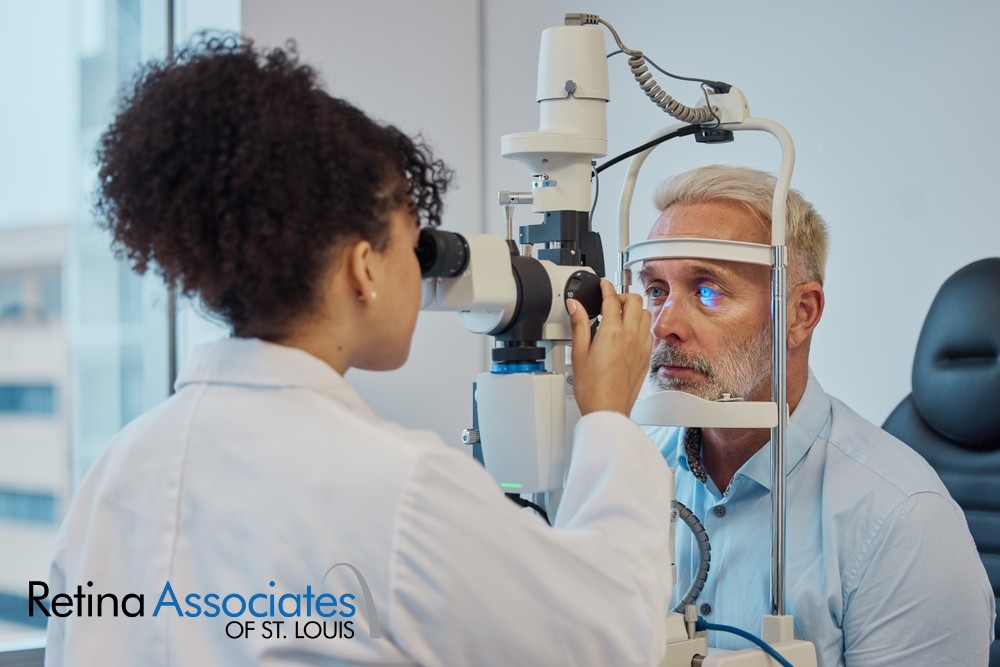
Once your pupils are fully dilated, your eye doctor will use a specialized magnifying lens and a bright light source, such as a slit lamp or an indirect ophthalmoscope, to examine the interior of your eye. This allows them to closely inspect the retina for any signs of damage, thinning, tears, or abnormal blood vessel growth. The macula, which is responsible for your sharp central vision, and the optic nerve are also carefully evaluated during this portion of the exam.
Diagnostic Imaging
Depending on your symptoms or risk factors, your eye doctor may order additional imaging tests to capture detailed pictures of your retina. Optical coherence tomography (OCT) uses light waves to create cross-sectional images of the retinal layers, while fundus photography provides a high-resolution color photograph of the back of the eye. These tools help your care team track changes over time and guide treatment decisions.
Why Is Dilation Important for Retinal Health?
Dilation gives your eye doctor the widest and most detailed view of the retina possible. Many retinal conditions develop gradually and may not produce symptoms in their earliest stages.
Without dilation, subtle changes to the retinal tissue or blood vessels can go undetected. Conditions such as macular degeneration, which affects the central part of the retina, and diabetic retinopathy, which damages the retinal blood vessels due to elevated blood sugar, are common and benefit from early detection through a dilated eye exam.
Retinal tears and detachments can also be identified before they lead to permanent vision loss. In many cases, early diagnosis allows for a wider range of treatment options and better long-term outcomes.
What Should You Expect After Your Eyes Are Dilated?
After the exam, your pupils will remain dilated for approximately four to six hours. During this time, you may experience sensitivity to bright light and difficulty focusing on objects up close, such as text on a phone screen or printed pages.
These effects are temporary and completely normal. To make your visit more comfortable, consider bringing a pair of sunglasses to wear after your appointment.
Arrange for someone else to drive you home, and avoid activities that require sharp near vision until the dilation wears off. Most patients find that their vision returns to normal by the end of the day.
Who Should Get a Dilated Eye Exam?
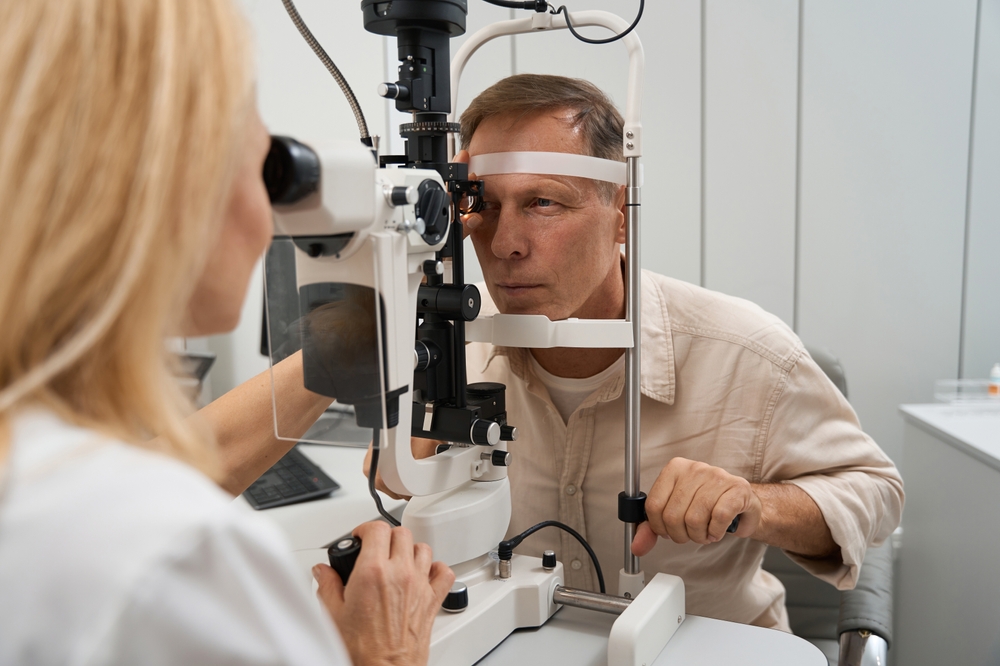
Dilated eye exams are recommended for a wide range of patients, but they are especially important for certain groups. Adults over 60 should receive regular dilated eye exams, as age-related retinal conditions become more common with age.
Patients with diabetes are strongly encouraged to have annual dilated exams because diabetic eye disease can progress without obvious warning signs. Individuals with a family history of retinal disease, high myopia, or a prior history of eye surgery may also benefit from more frequent monitoring.
If you are experiencing new or worsening symptoms such as floaters and flashes, sudden blurriness, or shadows in your peripheral vision, you should schedule an exam promptly. These symptoms can sometimes indicate a retinal tear or other condition that requires timely attention from a retina specialist.
Schedule a Dilated Eye Exam in St. Louis, MO
At Retina Associates of St. Louis, our board-certified retina specialists are committed to providing thorough, compassionate care at every visit. With offices in Manchester, St. Peters, Florissant, and Washington, we make it convenient for patients across the greater St. Louis area to access advanced retinal evaluations and personalized treatment plans. A dilated eye exam is one of the most effective ways to stay ahead of retinal conditions and protect your long-term vision.
Wondering whether it is time for a comprehensive retinal evaluation? Schedule an appointment at Retina Associates of St. Louis in St. Louis, MO, today.