
High blood pressure, also known as hypertension, is one of the most common chronic health conditions in the United States, yet many people are unaware of the damage it can cause beyond the heart and kidneys. The retina, a thin layer of light-sensitive tissue at the back of the eye, depends on a delicate network of blood vessels to function properly. When blood pressure stays elevated over time, those vessels can become damaged, putting your vision at risk.
Keep reading to learn how high blood pressure impacts retinal blood vessels, what symptoms to watch for, and what you can do to protect your sight.
What Is Hypertensive Retinopathy?
Hypertensive retinopathy is a condition in which prolonged high blood pressure damages the blood vessels that supply the retina. The retina requires a steady flow of oxygen and nutrients delivered through small arteries, veins, and capillaries. When blood pressure remains elevated, the walls of these vessels thicken and narrow, restricting blood flow. Over time, the vessel walls can weaken and begin to leak fluid or blood into the surrounding retinal tissue.
This type of vascular damage shares similarities with other retinal conditions. Diabetic retinopathy, for example, also involves injury to the retina’s blood vessels, though it is driven by elevated blood sugar rather than blood pressure.
In both cases, the retina’s ability to detect light and transmit visual signals to the brain becomes compromised. One of the most concerning aspects of hypertensive retinopathy is that it often develops without noticeable symptoms, meaning damage can progress for months or years before a patient realizes something is wrong.
What Symptoms Does High Blood Pressure Cause in the Eyes?
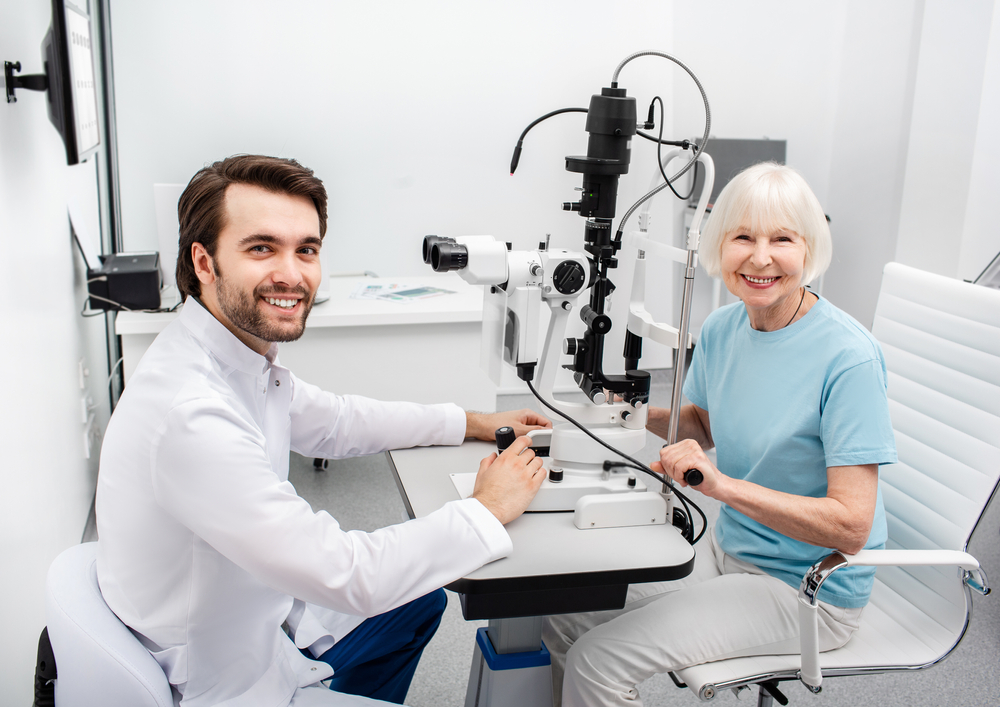
In its earliest stages, hypertensive retinopathy may not produce any symptoms. Many patients learn about the condition only after a retina specialist identifies signs of vascular damage during a comprehensive dilated eye exam.
As the condition progresses, however, patients may begin to notice changes in their vision. Blurred or reduced vision is one of the most common complaints, and some individuals experience headaches accompanied by visual disturbances. In more advanced cases, swelling of the optic nerve, known as papilledema, can cause significant visual impairment.
Severe or sudden spikes in blood pressure can produce more dramatic symptoms, including double vision or rapid vision loss in one eye. Some patients also notice new floaters or other visual disturbances that seem to appear without explanation.
Because these symptoms can overlap with other retinal conditions, a thorough evaluation by a retina specialist is the most reliable way to determine the cause. Routine eye exams are especially important for anyone with a history of hypertension, as early detection gives your care team the best opportunity to intervene before permanent damage occurs.
How Does High Blood Pressure Lead to Other Retinal Conditions?
Chronic hypertension does more than damage retinal blood vessel walls directly. It also increases the risk of other serious retinal disorders. One of the most common is branch retinal vein occlusion, or BRVO, which occurs when a small vein in the retina becomes blocked.
High blood pressure causes the retinal arteries to harden, and where an artery and vein cross, the firmer artery can compress the vein beneath it. This compression slows blood flow and promotes clot formation, eventually blocking the vein and causing fluid and blood to leak into the retina.
High blood pressure is also a known risk factor for central retinal artery occlusion, or CRAO, sometimes referred to as an eye stroke. In CRAO, a blockage cuts off the main blood supply to the retina, causing sudden and painless vision loss that requires emergency care.
Beyond these occlusive conditions, sustained hypertension may contribute to the progression of age-related macular degeneration by weakening the blood vessels beneath the macula. When high blood pressure coexists with other systemic conditions like diabetes or high cholesterol, the cumulative strain on the retinal vasculature becomes even greater.
Can You Protect Your Retina From High Blood Pressure Damage?
The most effective way to prevent hypertensive retinopathy and its complications is to keep your blood pressure within a healthy range. Working closely with your primary care physician to manage hypertension through medication, diet, and exercise is the foundation of protecting your retinal health. There are also several additional steps you can take:
- Schedule regular dilated eye exams: A retina specialist can detect early signs of vascular damage before you experience symptoms, allowing for timely intervention.
- Monitor your vision at home: Pay attention to new or sudden changes in your eyesight, such as blurring, dark spots, or flashes of light, and report them promptly.
- Manage related health conditions: Conditions like diabetes and high cholesterol compound the effects of hypertension on the retina. Patients living with diabetes should also be aware of how diabetic retinopathy can develop and progress alongside blood pressure-related changes.
- Adopt heart-healthy habits: Reducing sodium intake, maintaining a healthy weight, staying physically active, and limiting alcohol all support better blood pressure control and retinal health.
Your retina specialist and primary care physician can coordinate to ensure both your systemic health and your vision are monitored appropriately.
Protect Your Vision at Retina Associates of St. Louis
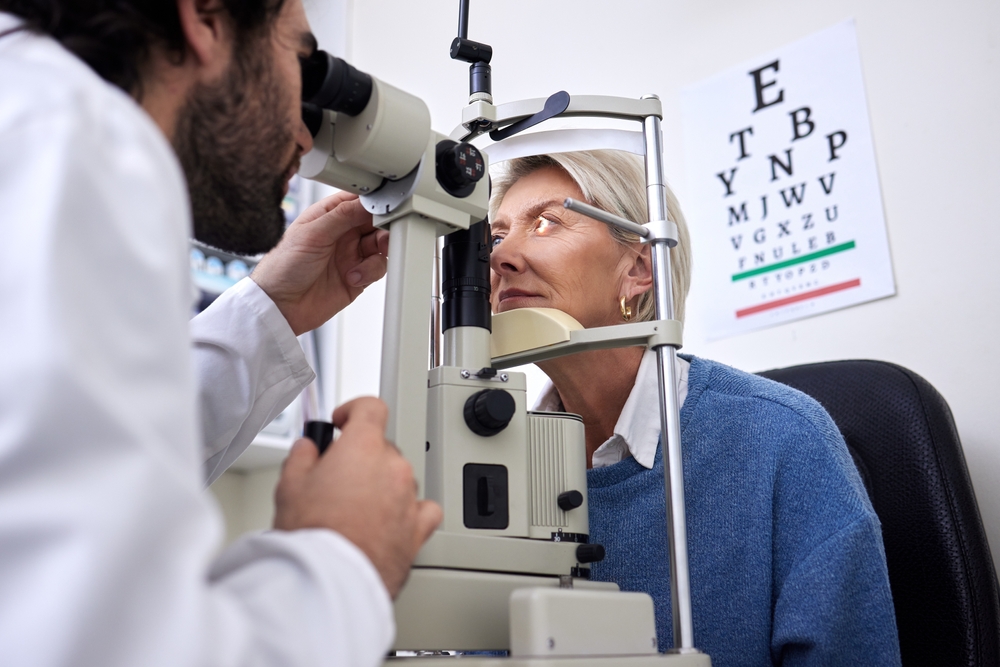
At Retina Associates of St. Louis, our board-certified retina specialists have extensive experience diagnosing and managing conditions caused by high blood pressure and other systemic diseases. Using advanced diagnostic tools such as optical coherence tomography and fluorescein angiography, we can identify subtle changes in your retinal blood vessels and create a treatment plan to preserve your vision.
Whether you need ongoing monitoring or treatment for hypertensive retinopathy or a retinal vein occlusion, our team provides compassionate, expert care at our locations across the St. Louis metro area.
Concerned about how high blood pressure may be affecting your vision? Schedule an appointment at Retina Associates of St. Louis in St. Louis, MO, today.