A referral to a retina specialist often comes with a mix of questions. Maybe your optometrist noticed something during a routine exam, or you’ve been seeing new floaters and flashes of light that prompted a same-week appointment. The visit centers on getting a detailed look at the back of the eye, using a few standard steps, to detect any signs of common retinal conditions and ensure prompt, effective treatment.
Keep reading to learn more about what to expect at each stage of your first retina specialist appointment.
What Do Retina Specialists Do?
Most patients arrive at a retina specialist’s office because their primary eye doctor spotted something worth a closer look, whether that’s changes related to diabetes, early signs of macular degeneration, or unexplained visual disturbances. Others come in directly after noticing new symptoms themselves, such as a sudden increase in floaters, flashes of light, or a shadow creeping across part of their vision.
Retina specialists treat a wide range of retinal conditions, and part of the first visit is narrowing down which one, if any, applies to you. Some patients are simply being monitored as a precaution, with no diagnosis yet in place.
What to Expect When You Arrive
Once you arrive, expect a check-in process similar to any medical office visit, followed by a more detailed conversation about your eye and general health history than you might get at a routine optometry appointment. Your eye doctor’s team will ask about current symptoms, when they started, and whether anything makes them better or worse.
They’ll also want a list of your medications, since certain drugs can affect retinal health or interact with treatments. Questions about family history matter too, particularly for conditions like macular degeneration and retinal detachment, which can run in families.
Will Your Eyes Be Dilated?
Pupil dilation is standard at nearly every first retina visit. Drops are placed in each eye, and it typically takes 20 to 30 minutes for your pupils to widen enough for a thorough exam. During this time, your vision may blur slightly and light sensitivity will increase, so many offices have a waiting area with dimmer lighting available.
Dilation usually lasts four to six hours, meaning your near vision may stay blurry and bright environments will feel harsher than usual for the rest of the day. Because of this, it’s worth planning ahead: bring a pair of sunglasses, and arrange for someone to drive you home.
What Happens During a Retinal Exam?

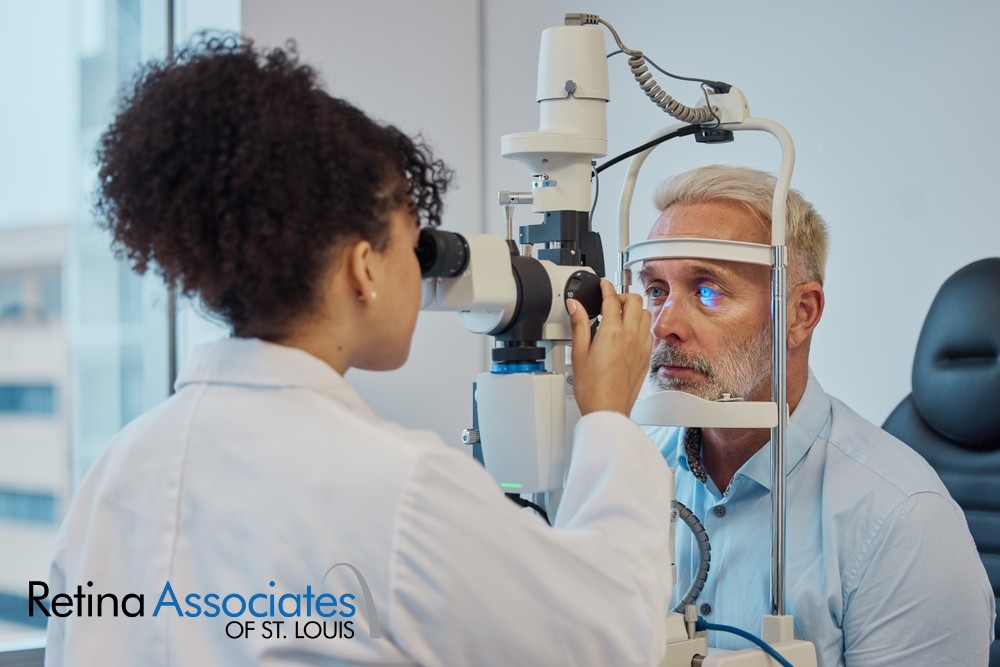
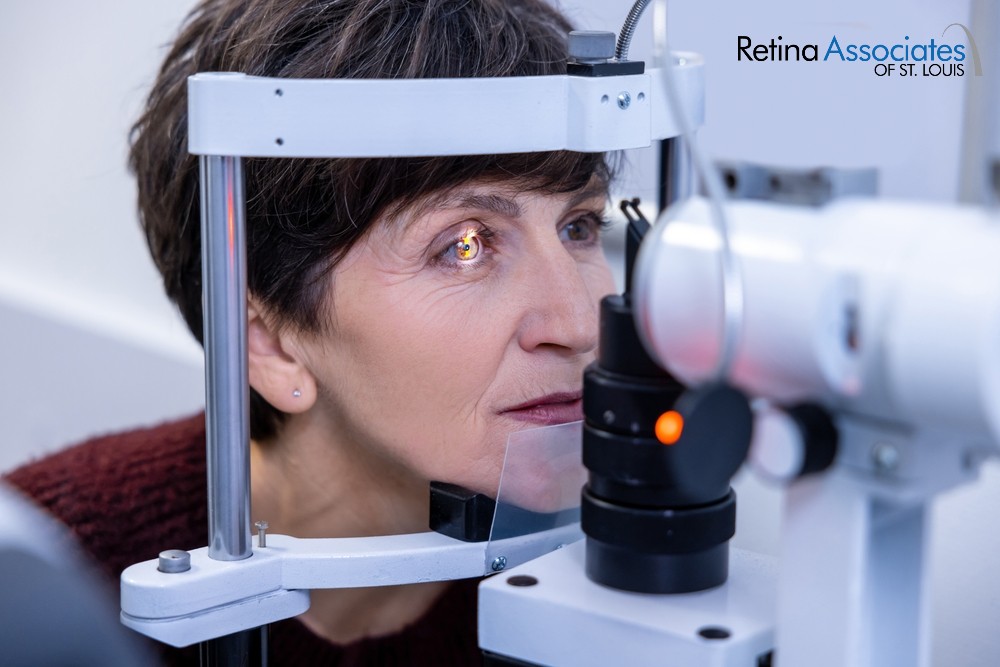
With your eyes dilated, your eye doctor can examine the retina directly using specialized lenses and lighting equipment that provide a magnified, detailed view. This part of the visit is usually quick and painless.
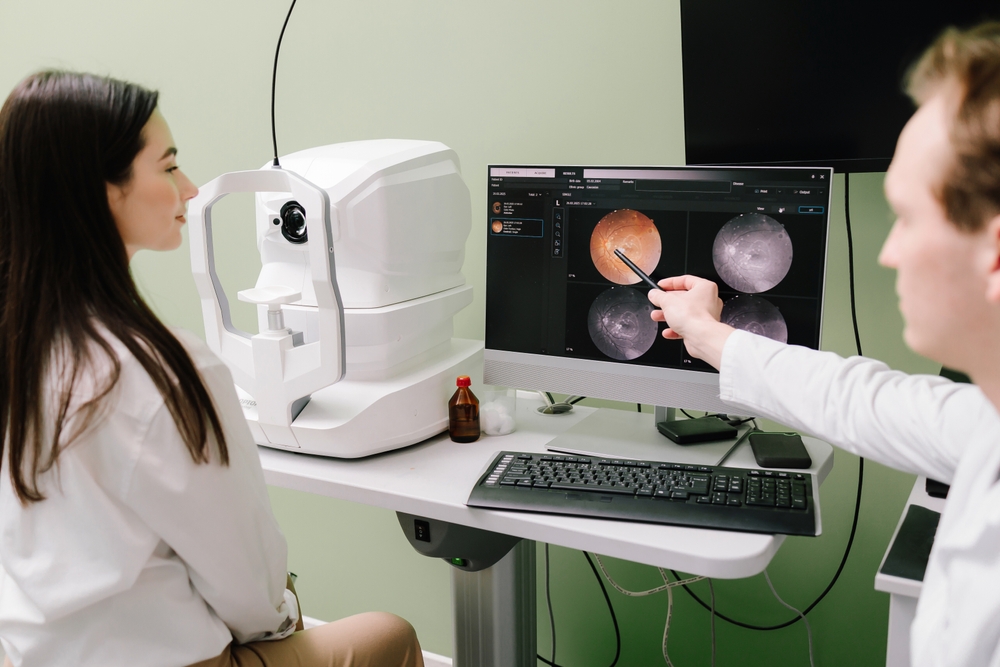
Many first visits also include imaging technology, such as optical coherence tomography, which creates a cross-sectional image of the retina’s layers, or retinal photography, which captures a wide, detailed picture of the back of the eye. These tools let your eye doctor detect subtle changes that wouldn’t be visible with the naked eye alone, and they also create a baseline that future visits can be compared against.
If a specific concern was flagged in your referral, such as diabetic retinopathy, additional targeted imaging may be used to assess how far the condition has progressed.
Discussing Findings and Next Steps
After the exam, your eye doctor will walk you through what was found, in terms that don’t require a medical background to understand. For many patients, this conversation ends with reassurance: the retina looks healthy, and a routine follow-up in six to twelve months is all that’s needed.
For others, it may mean a more active plan, whether that’s closer monitoring of a condition like macular degeneration or a discussion of surgical, nonsurgical, and laser treatments if intervention is recommended. If a diagnosis is made, your eye doctor will explain not just what the condition is, but what it means for your day-to-day vision and what the realistic timeline looks like for treatment or monitoring.
What to Bring and How to Prepare

A little preparation makes the first visit smoother. Bring a current list of medications, any previous eye records or imaging you have access to, and your insurance information. If you wear glasses or contacts, bring them along even if you don’t expect a vision test, since your eye doctor may want to see your current prescription.
You may also want to bring sunglasses for the drive home after dilation, a friend or loved one to drive you, and a written list of your symptoms and when they started, so nothing gets left out during the appointment.
Have questions about what your upcoming visit will involve? Schedule an appointment at Retina Associates of St. Louis in St. Louis, MO to get a clear picture of your retinal health and what steps come next.