

A patient with diabetes can pass a 20/20 vision check on the same day their retina shows swelling, leaking blood vessels, or early scarring. That gap between how someone sees and what’s actually happening inside the eye is what makes diabetic retinopathy so hard to gauge on your own.
For anyone managing diabetes, two questions come up constantly: once retinal damage shows up on an exam, can it be undone, and is there anything that can stop it from happening in the first place? Keep reading to learn what happens to the retina with diabetic retinopathy, what can and can’t be reversed, and how prevention and early treatment can change the outcome.
What Does Diabetic Retinopathy Do to the Eye?
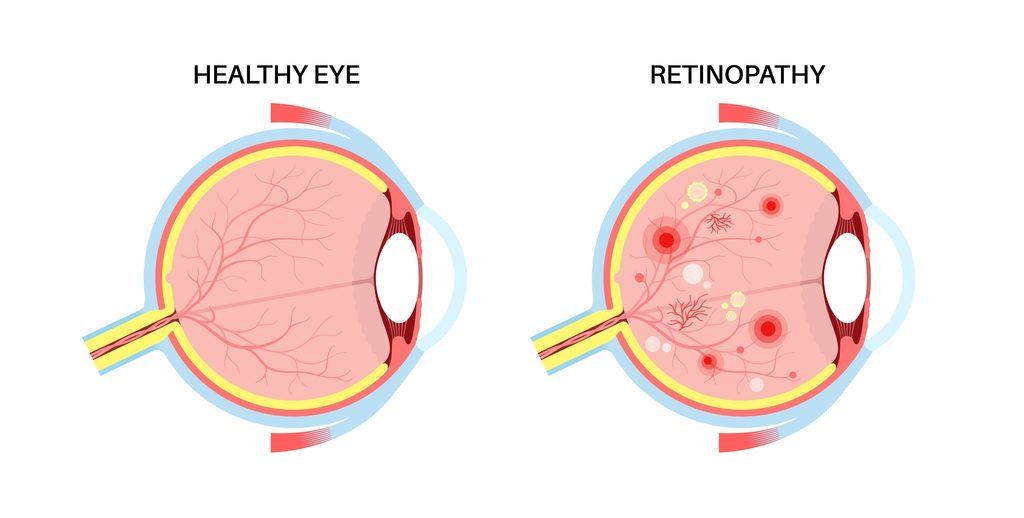
High blood sugar wears down the walls of the small blood vessels that feed the retina, the layer of tissue at the back of the eye responsible for turning light into the images the brain interprets as sight. Over time, those vessels swell, leak fluid, or close off completely, starving parts of the retina of oxygen.
Eye doctors describe this progression in stages, from mild and moderate nonproliferative retinopathy, where vessels weaken and leak, to severe nonproliferative and proliferative disease, where the eye grows new blood vessels to compensate for the poor circulation.
Those new vessels are fragile and prone to bleeding, and their appearance marks a meaningful shift in how serious the condition has become. Most of this happens without any noticeable change in vision, which is part of what makes diabetic retinopathy so easy to underestimate.
Can Diabetic Retinopathy Be Reversed?
Once blood vessels in the retina have been structurally damaged, especially in advanced or proliferative diabetic retinopathy, that damage typically cannot be undone. Scarred tissue and vessels that have already closed off don’t return to their original state, and new abnormal vessels don’t spontaneously disappear once they’ve formed.
In the earliest stages, though, some changes may improve. Mild swelling tied to short-term blood sugar spikes can settle once glucose levels return to control, and some patients see their retinal findings stabilize rather than worsen over time.
The distinction matters because it shapes what treatment can realistically accomplish. For early nonproliferative diabetic retinopathy, tightening blood sugar control may slow the disease or even partially improve the picture.
For proliferative disease, the goal shifts from reversal to protecting the vision a patient still has and preventing further loss. Your eye doctor can only make that determination after a dilated exam and imaging, since the same diagnosis can look very different from one patient to the next, depending on how long it went unnoticed.
Can Diabetic Retinopathy Be Prevented?

Prevention is more realistic than reversal, though it isn’t guaranteed for everyone. The strongest lever is blood sugar control: keeping A1C within the target range your primary care doctor or endocrinologist sets for you meaningfully lowers the odds of retinal damage developing in the first place.
Blood pressure and cholesterol matter too, since both put additional strain on the same small vessels that diabetes already weakens, and smoking compounds the risk further. How long someone has had diabetes also plays a role, which is why patients with a longer history of the disease are often watched more closely even when their numbers look good.
Diabetes-related vascular damage can also contribute to conditions like branch retinal vein occlusion, where a blocked retinal vein causes sudden vision changes, which is one reason routine eye care matters even for patients who feel their diabetes is well managed.
How is Diabetic Retinopathy Detected?
Diabetic retinopathy can progress substantially before a patient notices any vision change, which is why annual dilated exams are recommended for anyone with diabetes regardless of how they feel day to day. During a dilated eye exam and retinal imaging visit, your eye doctor can measure retinal thickness, check for swelling, and look for leaking or abnormal blood vessels using tools like optical coherence tomography and fluorescein angiography.
These tests reveal changes long before blurred vision, floaters, dark spots, or trouble seeing at night show up on their own. Catching those changes early often determines whether a treatment plan focuses on monitoring or urgent intervention.
Treatment Options When Damage Has Already Occurred

When diabetic retinopathy progresses despite good blood sugar control, several treatments can slow it down and protect remaining vision, even though none of them reverse existing scarring. Laser therapy seals leaking vessels or reduces abnormal vessel growth, and it’s used for both diabetic macular edema and more advanced proliferative disease.
Anti-VEGF injections block the signal that tells the eye to grow new, fragile blood vessels, and they can also reduce swelling in the macula that blurs central vision. In cases with significant bleeding into the vitreous gel or scar tissue pulling on the retina, vitrectomy removes that blood and tissue, giving the retina a clearer path toward stability.
Living with diabetes and overdue for a dilated eye exam? Schedule an appointment at Retina Associates of St. Louis in St. Louis, MO, to get a clear picture of your retinal health and catch changes before they affect your vision.