People who smoke cigarettes are up to four times more likely to develop age-related macular degeneration (AMD) than people who don’t, according to the U.S. Food and Drug Administration. That figure surprises many patients, who tend to connect smoking with lung disease and heart attacks rather than eyesight. The retina, the thin, light-sensitive tissue lining the back of the eye, relies on a steady supply of oxygen-rich blood to function properly, and smoking disrupts that supply in several ways.
This World Blindness Awareness Month, Retina Associates of St. Louis highlights how smoking can increase your risk of permanent vision loss, which retinal diseases it can contribute to, and how you can protect your eyesight.
Why Your Retina Is So Sensitive to Smoking
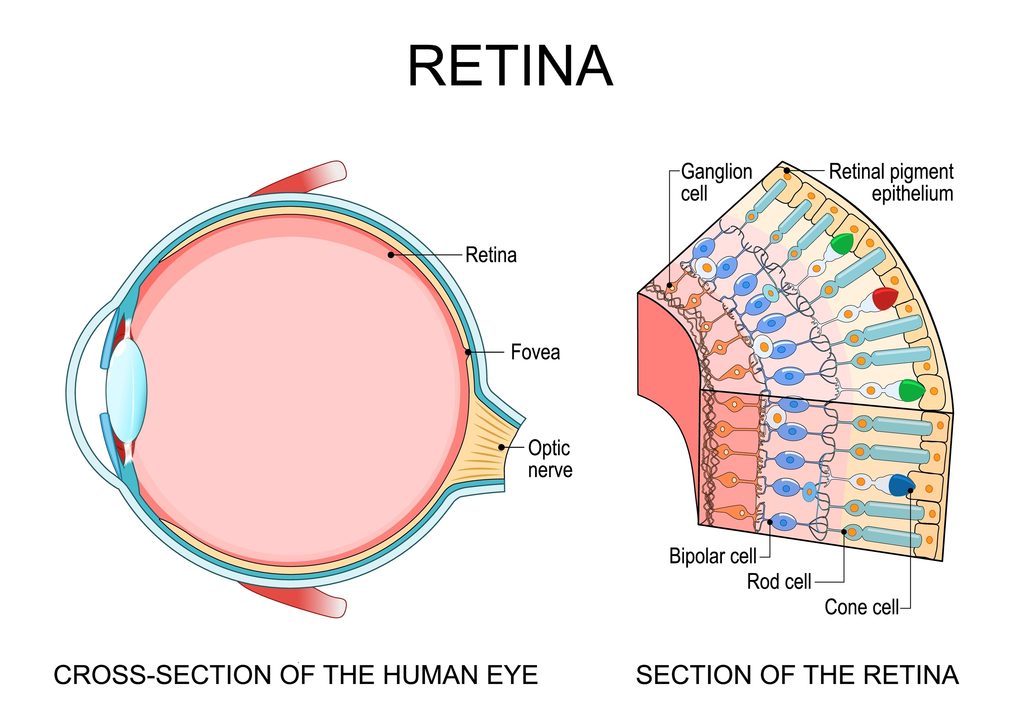
Your retina uses more oxygen than almost any other tissue in the body, given its size. A dense network of tiny blood vessels feeds it, and the macula, the small central area responsible for sharp detail, sits atop an especially rich layer of vessels called the choroid.
Cigarette smoke contains thousands of chemicals, including carbon monoxide, which reduces the oxygen your blood can carry. Smoking also creates oxidative stress, a buildup of unstable molecules that damage cells, and it narrows and stiffens blood vessels over time. Your retina feels each of these effects directly, which can lead to conditions including:
Age-Related Macular Degeneration
Age-related macular degeneration gradually damages the macula and can lead to loss of central vision. Side vision usually stays intact, but the center of your vision becomes blurry, distorted, or dark. That makes it harder to read, drive, recognize faces, and handle everyday tasks right in front of you.
Smoking is the strongest risk factor for AMD that you can change. Age and family history still matter, and a person who smokes and has a parent with AMD faces a higher risk than someone with either factor alone. Common symptoms of AMD include:
- Blurry or wavy areas in your central vision
- Straight lines that look bent, such as door frames or window blinds
- Trouble recognizing faces
- Needing brighter light to read or do close work
The difficult part about AMD is that its early stages often cause no symptoms. Many people don’t know they have it until a dilated exam reveals small yellow deposits called drusen beneath the retina.
Most people with AMD have the dry form, which tends to progress slowly. In some patients, dry AMD can progress to wet AMD, where abnormal blood vessels grow under the retina and leak fluid or blood, causing vision loss. Smoking damages the support cells beneath the macula and makes it harder for the eye to clear waste products, which can increase the risk of progression to wet AMD over time.
Retinal Vein and Artery Occlusions

Smoking harms blood vessels throughout the body, and the vessels in your eye are no exception. It raises blood pressure, promotes plaque buildup in arteries, and makes blood more likely to clot. Together, these changes increase the risk of blockages in the retina’s circulation. Because retinal vessels are so small, even modest narrowing can slow blood flow enough to cause problems.
A blocked vein can cause branch retinal vein occlusion, where blood backs up and leaks into the retina, causing blurred or missing vision. A blocked artery can cause central retinal artery occlusion, sometimes described as an eye stroke, which cuts off blood flow to the retina and can cause sudden, painless vision loss in one eye. CRAO is a medical emergency. If you notice sudden vision loss, seek care right away, since it can also signal a higher risk of stroke.
Diabetic Retinopathy
Diabetic retinopathy develops when high blood sugar damages the retina’s small blood vessels. According to the FDA, more research is needed to determine whether smoking directly causes diabetic retinopathy or makes it progress faster.
Still, smoking adds strain to the same fragile vessels diabetes already affects, and it makes blood pressure and circulation harder to manage. Smoking also raises the risk of developing type 2 diabetes in the first place, which adds another layer of concern. If you have diabetes and smoke, your eye doctor may recommend closer monitoring.
Can Quitting Lower Your Risk?
Yes. Quitting smoking lowers your risk of developing AMD. After you stop, your blood vessels begin to recover, and the oxygen supply to your retina improves. The risk for former smokers keeps dropping over time, though it can take years to approach the level of someone who never smoked.
You can also lower your risk of vision loss due to AMD or other retinal conditions by getting regular dilated eye exams. Many smoking-related retinal changes develop without warning signs. A dilated exam and retinal imaging let your eye doctor spot drusen, leaking vessels, or poor circulation before they affect your sight.
Former smokers benefit from these visits too, since the risk of AMD lingers for years after quitting. The board-certified retina specialists at Retina Associates of St. Louis use advanced imaging to detect these changes early and build a monitoring or treatment plan around your history. Sharing your full smoking history with your eye doctor, including how long you smoked and when you quit, helps guide how often you should be seen.
Are you ready to take the first step toward protecting your vision? Schedule an appointment at Retina Associates of St. Louis in St. Louis, MO, to have your eyes checked for early signs of smoking-related damage.